
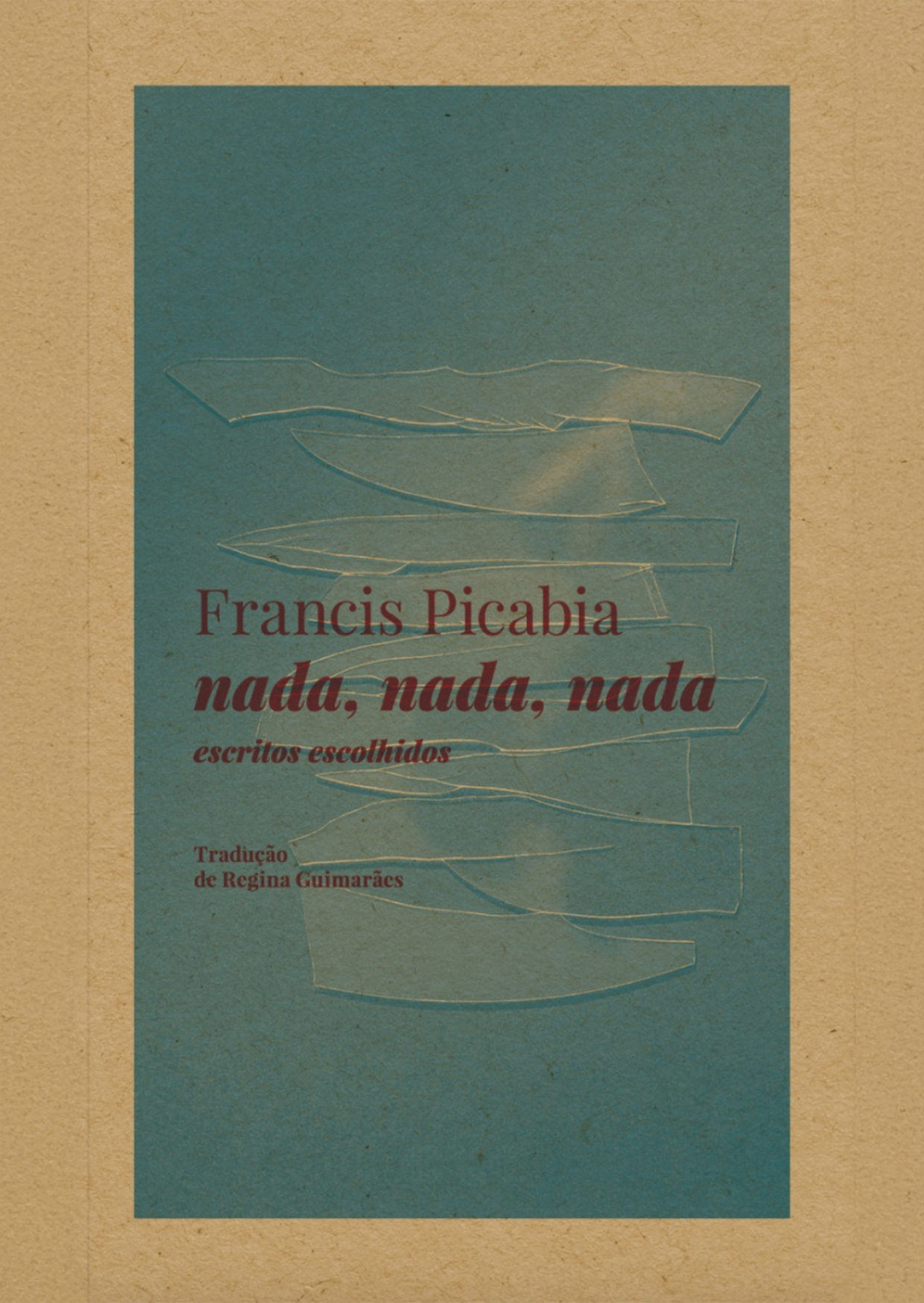
nada, nada, nada – escritos escolhidos
16,00 € c/ IVA
“Entre 1879 e 1953, Francis Picabia viveu muitas vidas. Foi pintor, poeta e prosador, ensaísta e crítico. Colaborou em diversas publicações e criou as suas próprias revistas. Escreveu para teatro e também para cinema. Alimentou polémicas e provocou escândalos. Organizou espectáculos, exposições e festas. Acompanhou o Cubismo e depois atacou-o com ironia. Levou o Dadaísmo para Paris, foi um dos seus mais vivos participantes e depois saiu com estrondo. Esteve com os surrealistas, mas numa relação morna.
Os textos que compõem este livro pertencem à fase mais explosiva e exuberante da obra escrita de Picabia. Para nós, a mais fascinante também. Esta fase coincide com o seu envolvimento activo no movimento dadaísta, ou seja, mais ou menos entre 1918 e 1921. Seguindo o espírito desta colecção, o livro inclui apenas textos em prosa, deixando de fora a sua igualmente vasta e magnífica produção poética.”*
*da Nota de Edição de Rui Manuel Amaral
nada, nada, nada – escritos escolhidos
16,00 € c/ IVA
“Entre 1879 e 1953, Francis Picabia viveu muitas vidas. Foi pintor, poeta e prosador, ensaísta e crítico. Colaborou em diversas publicações e criou as suas próprias revistas. Escreveu para teatro e também para cinema. Alimentou polémicas e provocou escândalos. Organizou espectáculos, exposições e festas. Acompanhou o Cubismo e depois atacou-o com ironia. Levou o Dadaísmo para Paris, foi um dos seus mais vivos participantes e depois saiu com estrondo. Esteve com os surrealistas, mas numa relação morna.
Os textos que compõem este livro pertencem à fase mais explosiva e exuberante da obra escrita de Picabia. Para nós, a mais fascinante também. Esta fase coincide com o seu envolvimento activo no movimento dadaísta, ou seja, mais ou menos entre 1918 e 1921. Seguindo o espírito desta colecção, o livro inclui apenas textos em prosa, deixando de fora a sua igualmente vasta e magnífica produção poética.”*
*da Nota de Edição de Rui Manuel Amaral
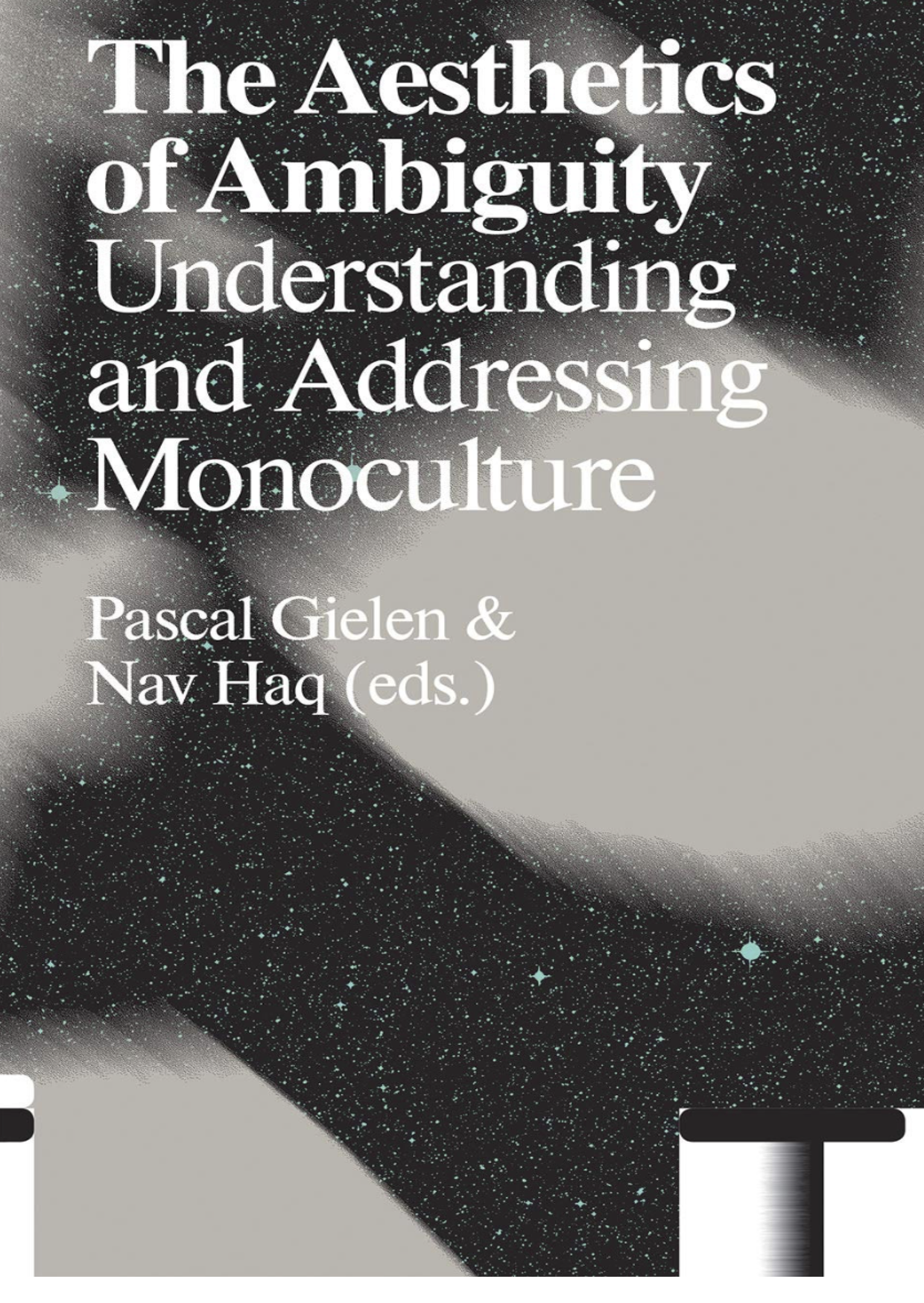
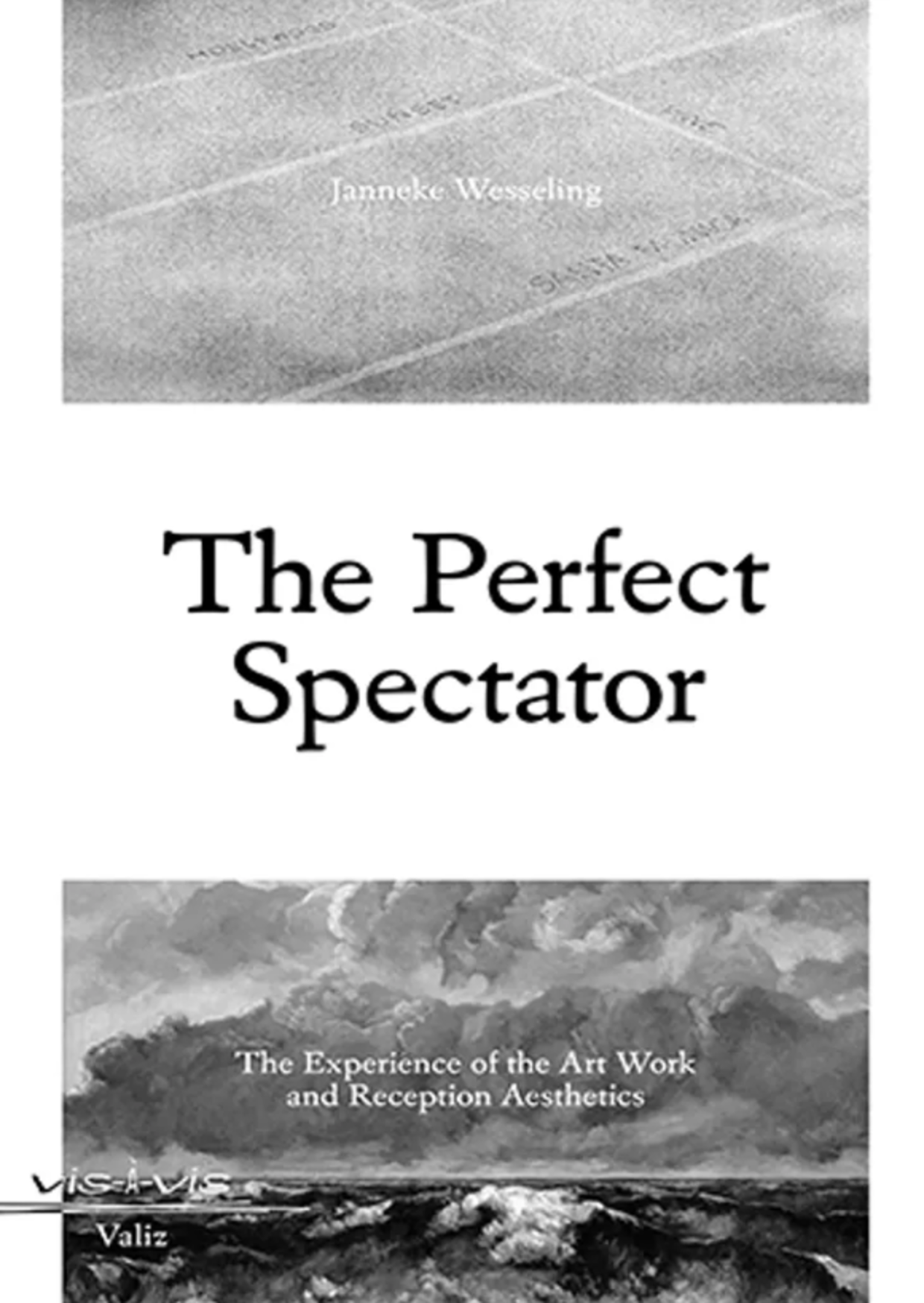
The Perfect Spectator
26,50 € c/ IVA
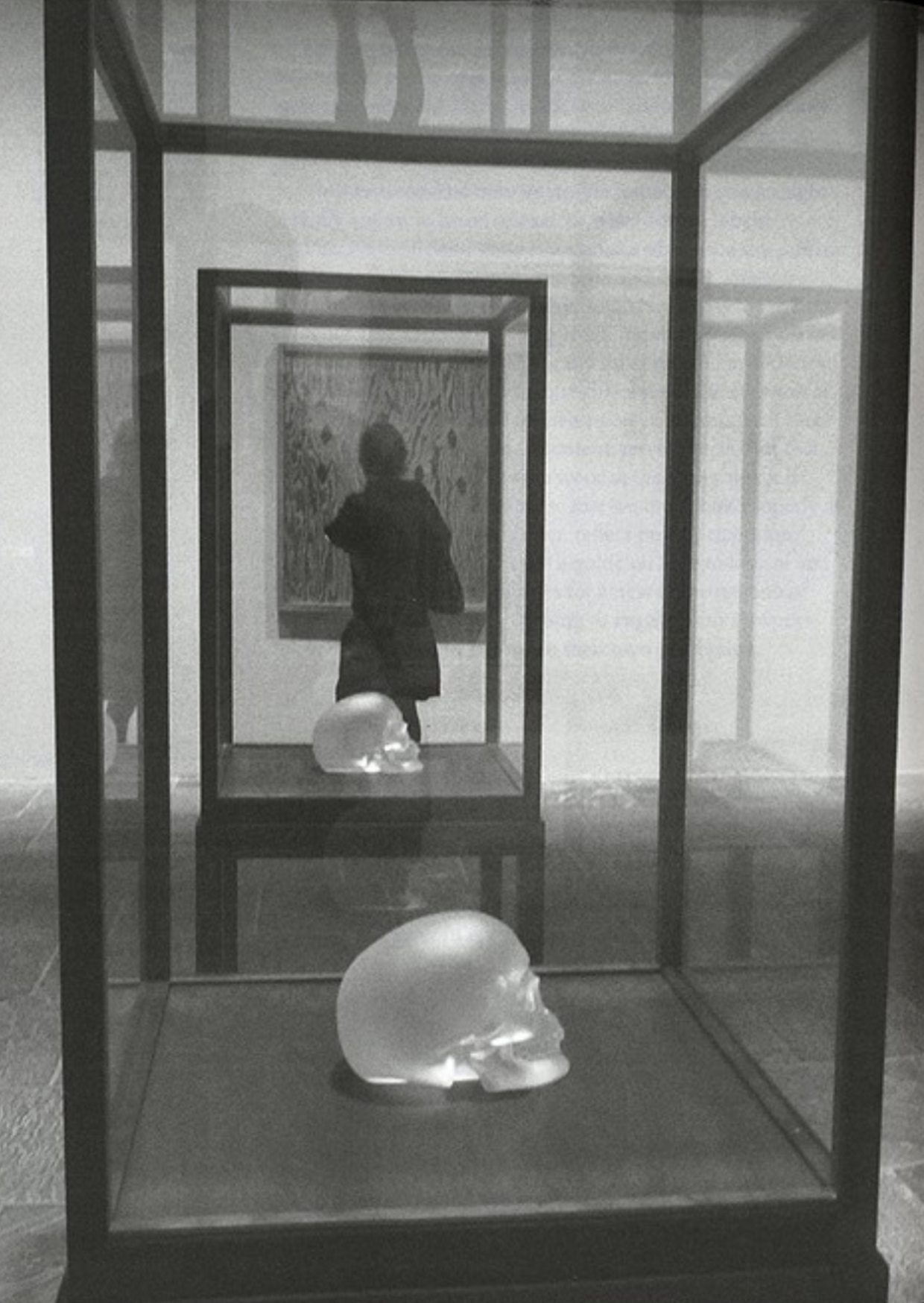
What happens between a spectator and a work of art at the moment of encounter? How do we experience ‘meaning’ (significance) in an art work? How can the process of interpretation be understood and articulated? To address these questions, the author explores the field of reception aesthetics, with its central premise that the contemplation of art is a matter of interaction between art work and observer. The research is focused on unravelling and problematizing the theoretical terminology of the interaction between work of art and spectator, deriving from reception aesthetics as well as from hermeneutics and phenomenology, with the aim of building a new theoretical foundation for this terminology. Additionally, different concepts of the spectator are discussed extensively. Wesseling proceeds from her own personal encounters with art objects, and her professional experience in studying and writing about art, in order to arrive at a new theoretical framework for the contemplation of art works.
Janneke Wesseling is an art critic and director of PhDArts, international doctorate programme in visual art and design, at Leiden University, where she was appointed Professor in the Practice and Theory of Research in the Visual Arts, Faculty of Humanities, Leiden University.
The Perfect Spectator
26,50 € c/ IVA
What happens between a spectator and a work of art at the moment of encounter? How do we experience ‘meaning’ (significance) in an art work? How can the process of interpretation be understood and articulated? To address these questions, the author explores the field of reception aesthetics, with its central premise that the contemplation of art is a matter of interaction between art work and observer. The research is focused on unravelling and problematizing the theoretical terminology of the interaction between work of art and spectator, deriving from reception aesthetics as well as from hermeneutics and phenomenology, with the aim of building a new theoretical foundation for this terminology. Additionally, different concepts of the spectator are discussed extensively. Wesseling proceeds from her own personal encounters with art objects, and her professional experience in studying and writing about art, in order to arrive at a new theoretical framework for the contemplation of art works.
Janneke Wesseling is an art critic and director of PhDArts, international doctorate programme in visual art and design, at Leiden University, where she was appointed Professor in the Practice and Theory of Research in the Visual Arts, Faculty of Humanities, Leiden University.